
Periodontology
Periodontics focuses on the prevention and treatment of gum diseases, patient education and addressing issues like tooth mobility and bone loss which may arise from untreated gum disease.
Dental Implants
Dental implants are a popular and effective solution for replacement of missing teeth. It involves surgical insertion of a titanium fixture which acts as a replacement for the missing tooth root. A crown or bridge is placed on top, restoring the appearance and function of the missing tooth.
Oral Medicine
Oral medicine involves the diagnosis and management of diseases and conditions that affect the mouth, jaws, and related structures. It combines both medicine and dentistry to treat a wide range of disorders.
Protecting the Foundation of Your Smile
Periodontology
Periodontology is the prevention, diagnosis and treatment of periodontal diseases such as gingivitis and periodontitis which can lead to tooth loss if untreated. The inflammation and infection from untreated periodontitis is linked to various systemic diseases such as diabetes and cardiovascular disease, making management of these diseases important for overall systemic health.
Periodontal treatment also involves procedures aimed at improving the appearance and function of the gums and supporting structures around the teeth. Issues such as gum recession, uneven gum contours or other aesthetic concerns related to gums are the focus of management.

Scaling and Root Planing
Deep cleaning procedures aimed at removing plaque and calculus build up from below the gumline to cleanse the root surface and prevent bacterial accumulation.
Periodontal Surgery
In severe cases of gum disease the gum is lifted back to gain access to the root surface for cleaning of deep pockets and to regenerate bone before the gum is repositioned to fit tightly against teeth.
Aesthetic Gingival Surgery
Improving the aesthetic appearance of gums by correcting for uneven gum lines and reshaping the gums for a balanced smile.
Gum Grafting
Involves transplantation of healthy gum tissue to areas where the gum has been lost due to disease or hard toothbrushing habits. These gum grafts help to protect the exposed roots of teeth and restore the gum lines for a natural healthy gum appearance.
Frenectomy
The removal of a thin band of soft tissue is performed when this band is too tight or abnormal, causing issues like gum recession, interfering with normal speech or affecting the alignment of teeth.
Crown Lengthening
This procedure is done to expose more tooth structure by removing or reshaping the gum and bone around teeth. It is often done to prepare a tooth for when a crown is needed or when there is too much gum covering often called a “Gummy Smile”.

Restoring Smiles, One Tooth at a Time
Dental Implants
Implantology is the branch of dentistry that focuses on the replacement of missing teeth with the placement of a dental implant to function as a replacement tooth. A dental implant is a titanium device placed in the jawbone which integrates with the bone over time. Once the implant is securely fused to the bone, a tooth, bridge or denture can be attached to the titanium fixture to restore function and appearance.
Adjunctive implant procedures are additional treatments or surgical techniques performed alongside dental implant placement to improve the overall success and function of the implants.
Bone Grafting
Bone augmentation is a surgical procedure to add bone where there is insufficient bone for implant placement. Bone grafts can be taken from the patient’s own body or synthetic or animal derived materials. The bone graft ensures that the implant has a strong foundation.
Soft Tissue Grafting
Soft tissue grafts are taken from the palate and grafted onto the area around a dental implant to improve the amount and quality of gum tissue around the implant. This creates a thicker healthier gum line which is less likely to recede over time.
Sinus Lift Procedures
To increase the bone height in the posterior areas of the upper jaw, the sinus membrane is lifted to create space for bone material and implant placement. This ensures that the implant has enough bone support for long term stability and function.
Immediate Implant Placement
Placement of a dental implant immediately post tooth extraction can allow for a quicker and more streamlined process of replacing a missing tooth, often eliminating the need for a separate healing period between tooth extraction and implant placement.
Implant Maintenance
Like natural teeth once implants are placed, they require regular care and attention to prevent complications such as infection, bone loss and implant failure. Professional implant maintenance helps to maintain implant gum and bone in optimal health.
Peri-Implant Disease
Refers to infections and inflammation that affect the tissues surrounding dental implants. Early detection is key to preventing further irreversible damage. Routine periodontal screening is essential for early diagnosis of any peri-implant disease to prevent further complications.
Solving Complex Mysteries of the Mouth
Oral Medicine
Oral Medicine is a specialized filed of dentistry that focuses on the diagnosis and management of oral diseases that affect the mouth which are not confined to dental problems alone. The oral medicine specialist diagnoses and forms part of the treatment of complex conditions that may have both oral and systemic implications.

Oral Infections
Most commonly fungal and viral infections can affect the mouth making the mouth painful and uncomfortable. Frequent episodes of infections can also be a sign of a systemic condition which may require further investigations.
Pre-Cancerous Conditions
Abnormalities in the mouth and surrounding tissues may have the potential to develop into oral cancer if left untreated. These conditions may not present with noticeable symptoms making regular oral medicine check-ups essential for detection.
Oral Cancer
Oral medicine specialists play a crucial role in the early detection and management of oral cancers. Routine screenings and biopsy services as well as coordinating with a multidisciplinary team are essential for managing patients with oral cancer or any pre-cancerous mouth condition.
Systemic Diseases with Oral Manifestations
Many systemic diseases such as diabetes, HIV and autoimmune conditions can have oral symptoms which can affect the comfort of the mouth. This requires close collaboration between dental and medical specialists to ensure comprehensive care.
Oral Mucosal Diseases
Conditions affecting the lining of the mouth include disorders like oral lichen planus, pemphigus vulgaris and recurrent oral ulceration. These diseases cause sores or ulcers in the mouth which require specialised diagnosis and management.
Dry Mouth
A common issue in older adults and patients taking certain medications is a sensation of xerostomia or dry mouth. Treatment often involves managing the underlying cause and improving moisture in the mouth.


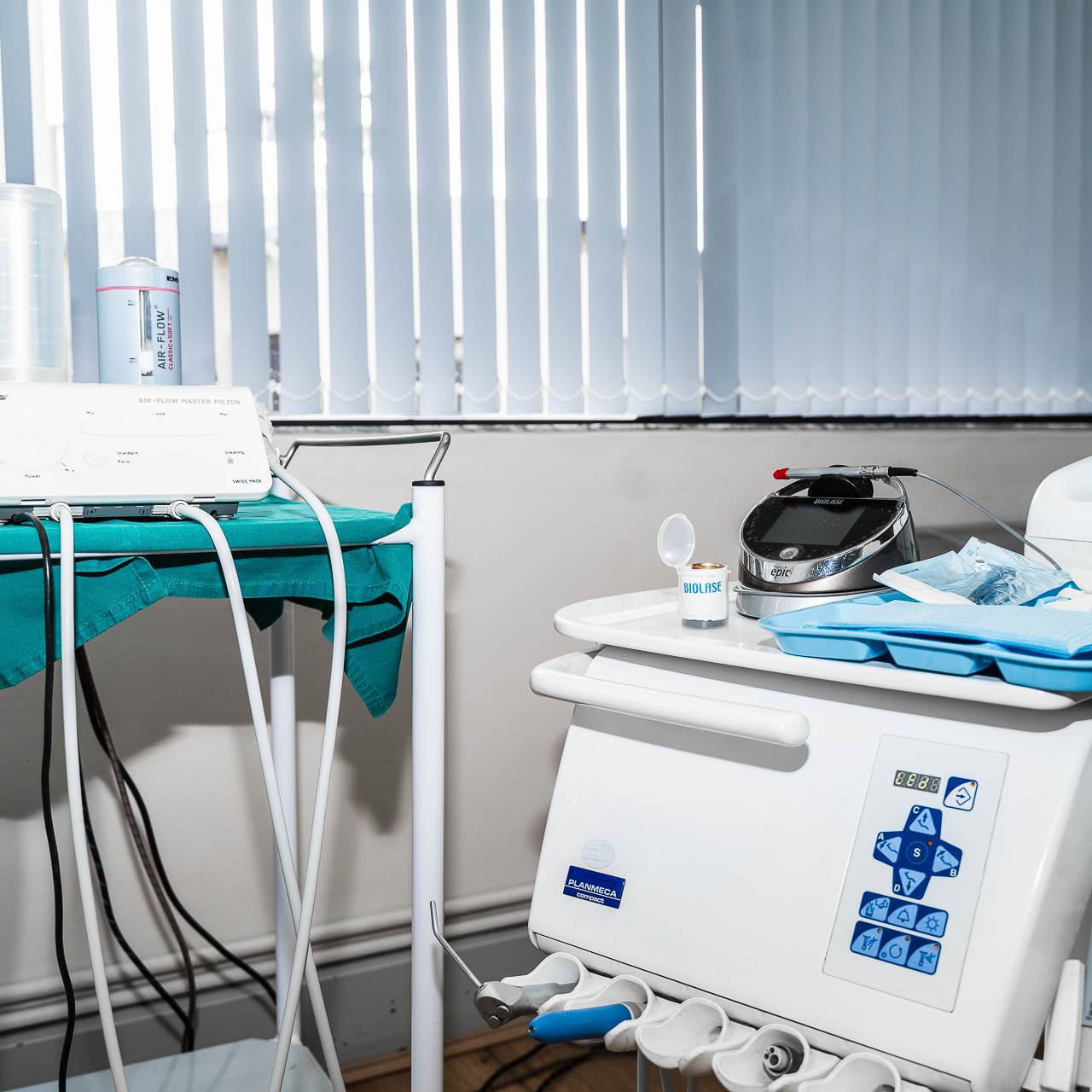
The Place Where It All Happens
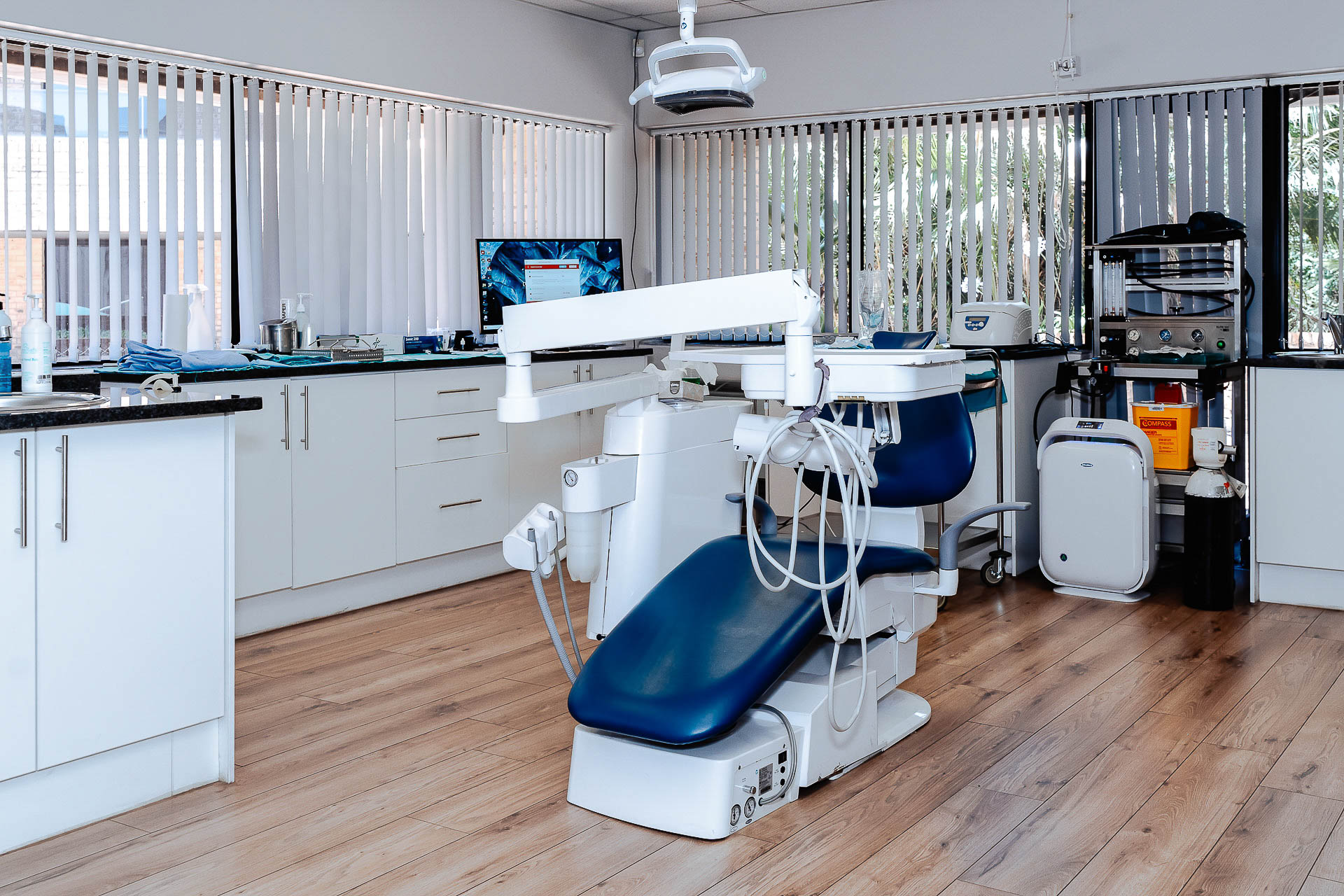
Our Facility
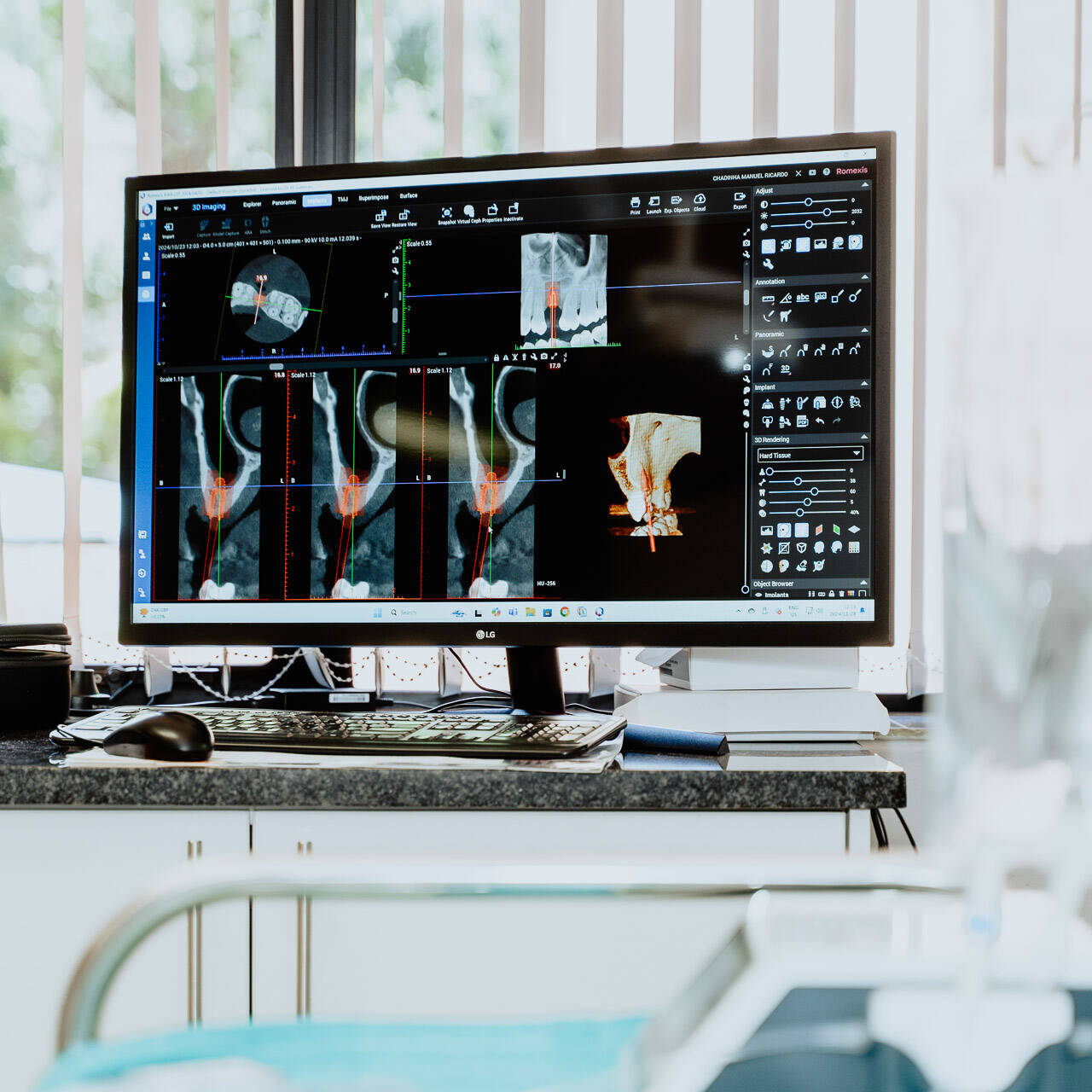
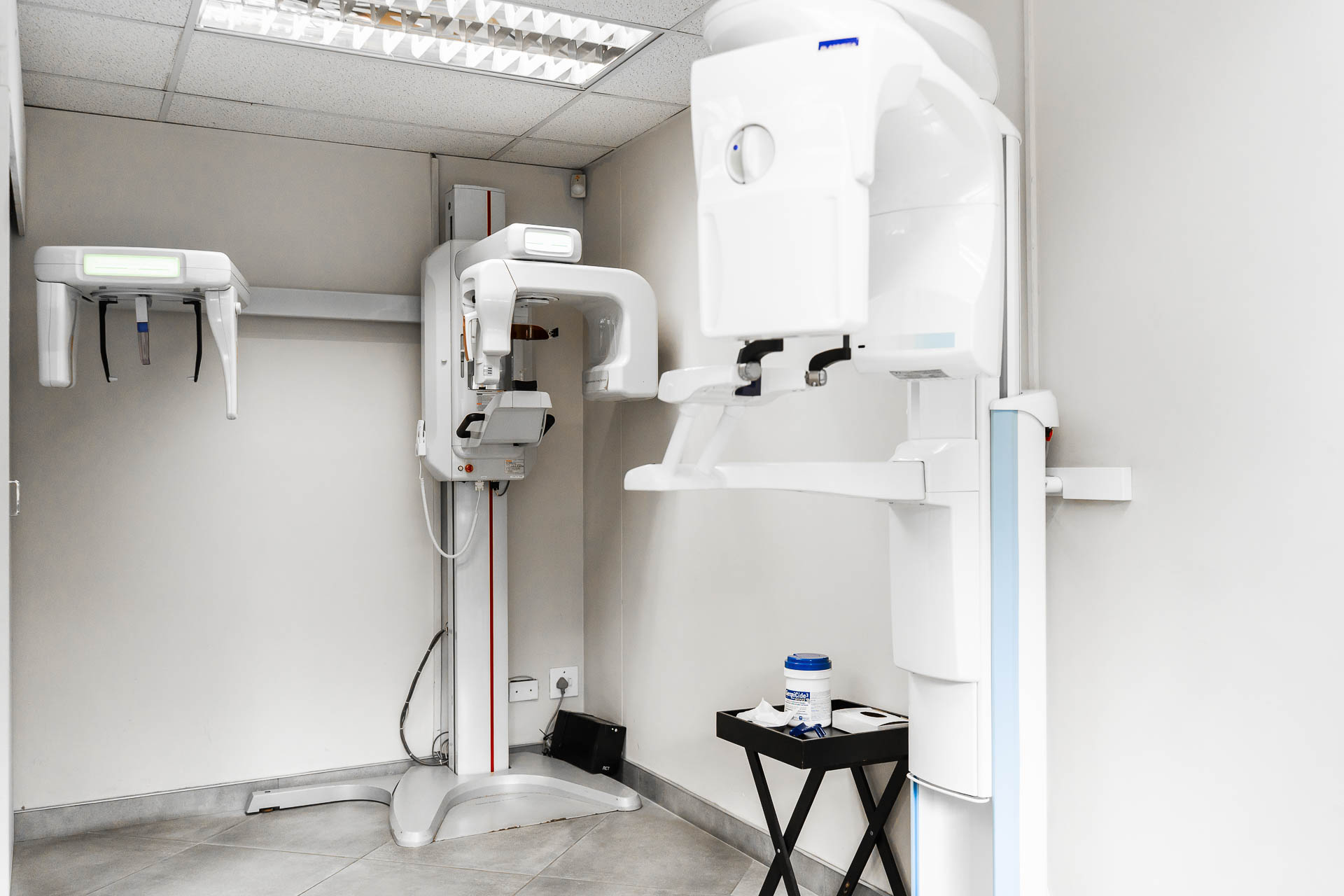
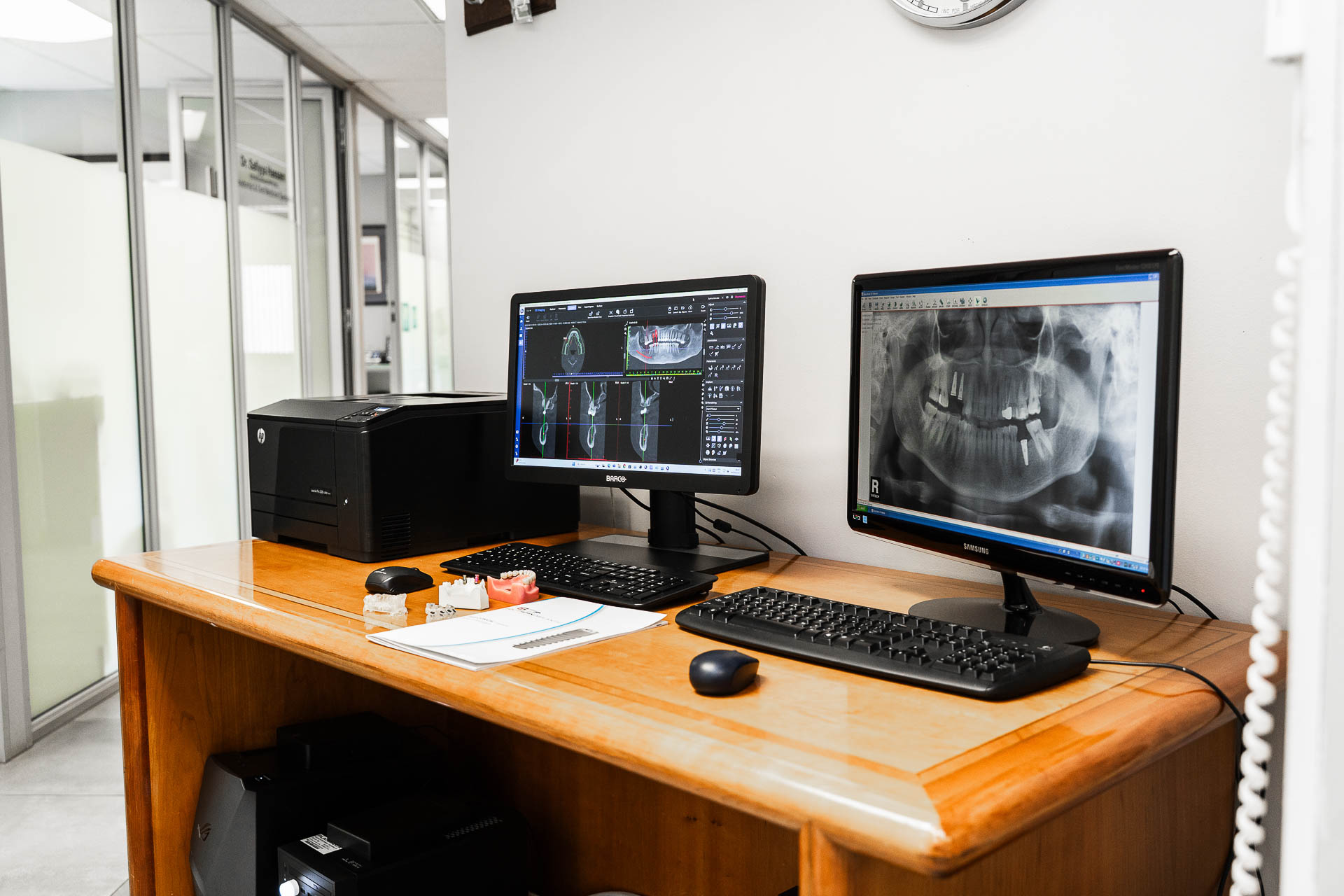
Cone Beam X-Ray & Intra-Oral Scan Technology
Our Cone Beam X-Ray facility provides 3D imaging for precise diagnosis and treatment planning, ensuring accuracy and improved patient care.
IV Sedation
Our IV Sedation Facility provides controlled intravenous sedation for a relaxed, pain-free treatment experience, ensuring safety and patient comfort throughout procedures.
General Anaesthesia
General anaesthesia is a medically induced state of unconsciousness ensuring no pain or discomfort during complexed or lengthy dental procedures.
Our Team
Dr Safiyya Hassam
(BDS: 2005) (Mdent OMP: 2015) University of Witwatersrand
Dr. Safiyya Hassam Essa earned her Bachelor of Dental Surgery (BDS) from the University of the Witwatersrand in 2005 and began her career in private dental practice in Bryanston, Johannesburg, from 2006 to 2009. She later specialized in Periodontics, Implantology, and Oral Medicine, obtaining her Master of Dentistry (Mdent OMP) in 2015, with her research focusing on the treatment of teeth furcation defects at the Bone Research Unit at Wits. Since 2016, she has been running her private specialist practice in Morningside, Johannesburg, while also serving as a part-time specialist consultant and lecturer in the Department of Periodontology and Oral Medicine at Wits.
Passionate about her field, Dr. Hassam stays at the forefront of periodontal advancements by actively participating in local and international congresses, continuously refining her expertise in the latest periodontal materials and techniques.

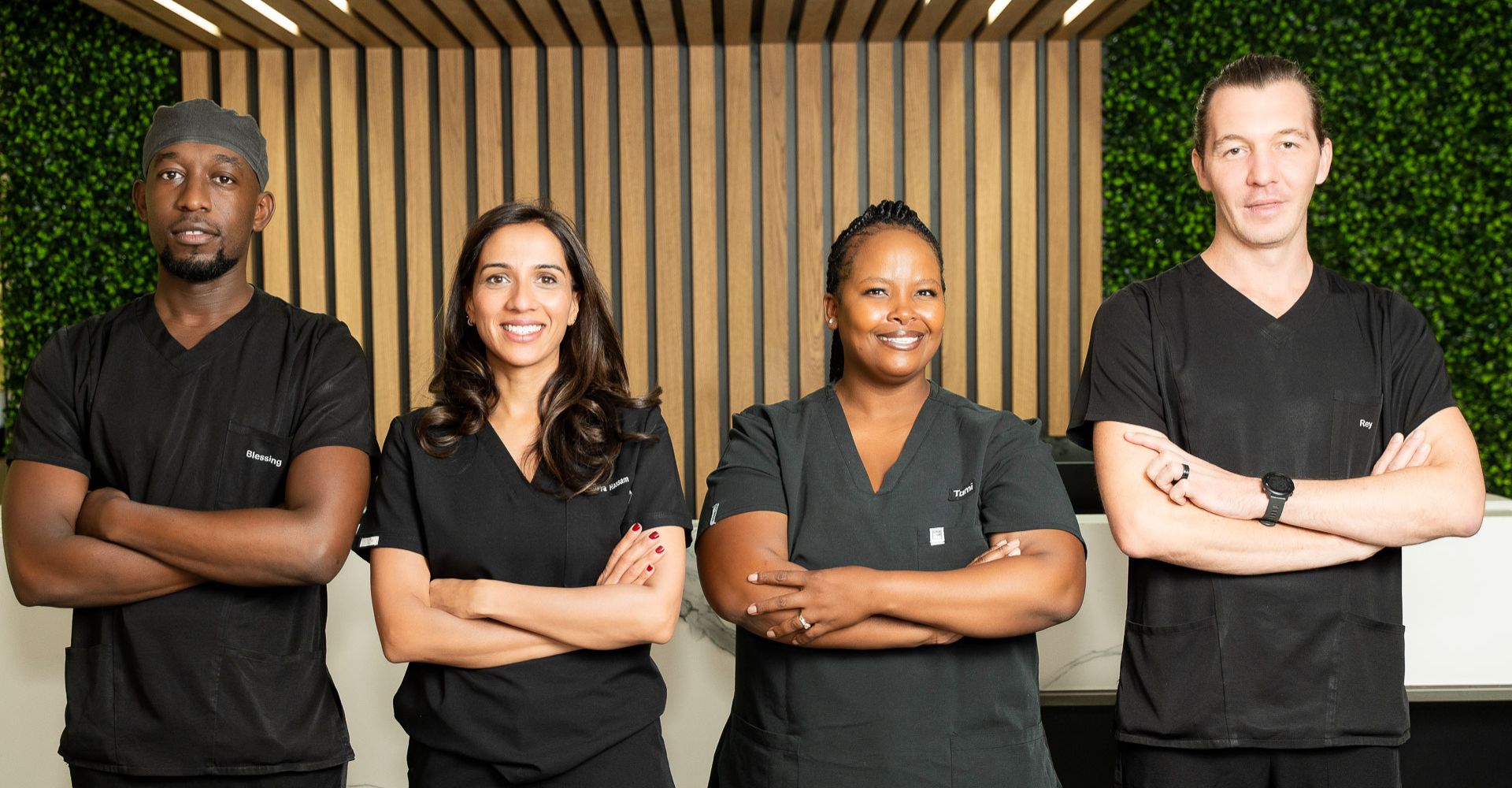
Dr Safiyya Hassam
Booking Request Form
Ready to take the first step towards a healthier, more confident smile? Fill out the booking request form below, and our friendly team will get in touch to schedule your visit.
Dr Safiyya Hassam
Patient Referral Form
Dentists, would you like to refer your patient to us? Please fill out the patient referral form below, and our friendly team will get in touch to schedule the visit.
Faq
Frequently Asked Questions
We understand that undergoing any oral procedure may raise some questions, and we’re here to provide clarity. Below, you’ll find answers to some of the most commonly asked questions about the procedure, what to expect, and how it can benefit you. If you have additional concerns, don’t hesitate to reach out —we’re here to help!
While general dentists focus on overall oral health, including teeth and basic gum care, periodontists specialize in diagnosing and treating complex gum diseases, performing advanced procedures like gum grafting, bone regeneration, and dental implant placement. They have additional training and expertise in managing issues related to the gums and supporting structures of the teeth.
You should consider seeing a periodontist if you notice symptoms like persistent gum inflammation, bleeding gums, receding gums, loose teeth, or if your dentist recommends it due to advanced gum disease or the need for dental implants.
Periodontal infection is the cause of 75% of all adult tooth loss.
More importantly, research has associated periodontal infection to several serious medical problems, including; heart disease, diabetes and stroke.
As ongoing research continues to define how periodontal disease is associated with these and other health problems, good oral health is essential. Good periodontal health is a key component of a healthy body.
Periodontal disease is typically treated with professional cleaning (scaling and root planing) to remove plaque and tartar buildup. In more advanced cases, surgical treatments like flap surgery or bone grafts may be necessary. Good oral hygiene and regular dental check-ups are essential for management and prevention.
Most periodontal procedures are performed under local anesthesia to ensure comfort during treatment. Your periodontist will also provide detailed aftercare instructions to manage any post-procedure discomfort effectively.